

Top Slitting Machine Manufacturer Wenzhou Sanhui Expands Precision Converting Solutions
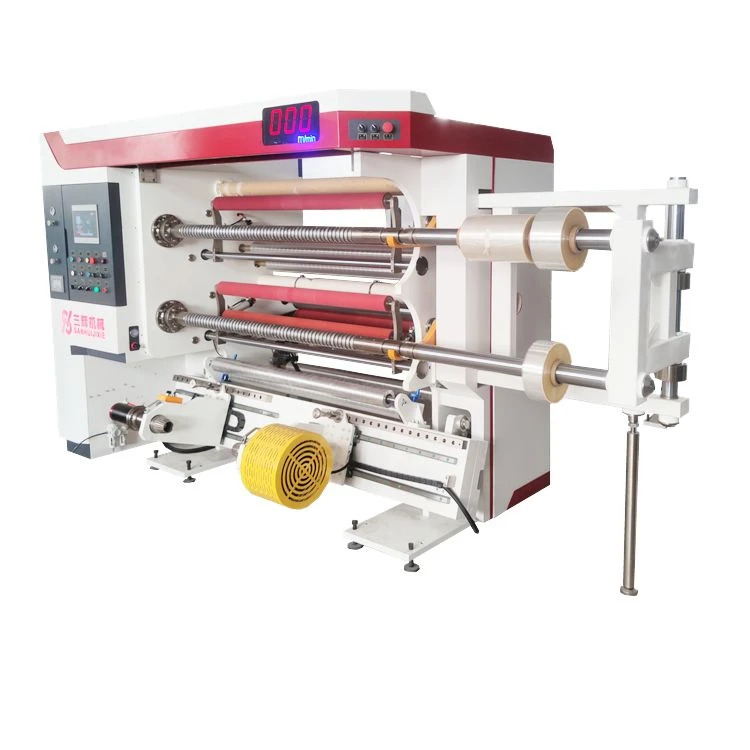
Automatic Slitting Machine
WENZHOU, ZHEJIANG, CHINA, October 28, 2026 /EINPresswire.com/ --
Wenzhou Sanhui Machinery Manufacturing Co., Ltd. is developing its presence in the industrial converting equipment sector through machinery designed for slitting, rewinding, and cutting roll-based materials. As manufacturers in the paper, printing, packaging, labeling, and flexible materials industries seek greater processing accuracy and production efficiency, equipment suppliers are placing increasing emphasis on automation, material handling, and adaptable machine configurations. Wenzhou Sanhui Machinery Manufacturing Co., Ltd. focuses on slitting and related equipment, offering solutions intended to help industrial customers process large rolls into narrower rolls or accurately cut sheets for subsequent production stages.
Slitting machines are widely used in manufacturing environments where materials supplied in large rolls must be converted into narrower widths. Paper, plastic film, aluminum foil, nonwoven fabric, adhesive labels, and other flexible substrates may require slitting before they can be used in printing, packaging, lamination, or downstream converting operations. The performance of the equipment can affect production speed, finished-roll consistency, material utilization, and the amount of manual intervention required during operation.
Wenzhou Sanhui Machinery Manufacturing Co., Ltd. presents its machinery portfolio through product categories that include slitting machines, rewinding machines, and paper cross-cutting equipment. The company's website lists several slitting configurations, including roll slitting machines, automatic slitting machines, vertical slitting machines, gantry-type slitter rewinders, paper slitter rewinders, and jumbo paper roll slitter rewinders. This range reflects the different processing requirements found in paper converting and flexible packaging operations.
For manufacturers, choosing a suitable slitting machine requires consideration of the material being processed, the width of the parent roll, the required finished-roll dimensions, operating speed, winding method, and production volume. A machine designed for one substrate or production arrangement may not be appropriate for another. Consequently, buyers often evaluate equipment specifications and customization options before selecting a configuration for a particular factory.
The development of converting machinery also reflects the broader movement toward more automated production. Modern equipment may use programmable logic controllers, servo drives, touchscreen interfaces, tension-control systems, and automatic correction functions to support repeatable operation. Depending on the machine model and configuration, these technologies can help operators manage material movement and maintain more consistent processing conditions.
Rewinding Machine Solutions for Roll Processing
Rewinding is an important stage in many converting operations. Large parent rolls may need to be rewound into smaller rolls, divided into specified quantities, or prepared for subsequent inspection, packaging, and distribution. Rewinding machines help manage this process by controlling the movement of the material from an unwinding section to a winding shaft or other take-up mechanism.
Wenzhou Sanhui Machinery Manufacturing Co., Ltd. includes Rewinding Machine among its main product categories. Its published catalog features equipment such as shaftless rewinders and single-shaft rewinders, alongside slitting and rewinding configurations. These machine types can serve different roll-handling requirements depending on the material, roll dimensions, and production arrangement.
In paper converting, rewinding can be necessary when a large roll must be divided into smaller rolls suitable for further processing or delivery to customers. In film and flexible packaging production, rewinding may be used to prepare material for printing, lamination, pouch manufacturing, or other downstream operations. Similar requirements can arise in the processing of aluminum foil, self-adhesive labels, adhesive materials, and nonwoven fabrics.
The effectiveness of a rewinding process depends on several operating factors. Tension must be managed carefully because excessive tension may stretch or deform certain materials, while insufficient tension can result in loose or uneven rolls. Alignment also matters, as poor web guidance may lead to telescoping, uneven edges, or other winding defects. Operators therefore need to consider the characteristics of the material and the specifications of the finished roll when configuring equipment.
Automation can support these requirements by helping coordinate motor operation, winding speed, and other process parameters. Depending on the model, a rewinding machine may also incorporate features that simplify roll loading, improve operating convenience, or reduce manual handling. The appropriate configuration will depend on the buyer's production objectives and the characteristics of the material being processed.
For companies operating multiple converting lines, reliable rewinding equipment can help maintain a steady flow of material between production stages. Consistent roll dimensions and winding quality can also simplify storage, transportation, and subsequent machine setup. By offering rewinding equipment within a broader slitting machinery portfolio, Wenzhou Sanhui Machinery Manufacturing Co., Ltd. gives buyers an opportunity to evaluate related processing equipment through one supplier.
Paper Cross Cutting for Sheet Production
Alongside slitting and rewinding, cross-cutting is another important process in paper converting. While slitting divides a moving web longitudinally into narrower strips, cross-cutting separates the material across its width to create sheets of a specified length. This distinction makes cross-cutting equipment useful in production environments where roll materials must be converted into flat sheets for printing, packaging, industrial use, or further processing.
Wenzhou Sanhui Machinery Manufacturing Co., Ltd. lists Paper Cross Cutting Machine as one of its principal product categories. Its website also presents automatic cross-cutting equipment and other cutting-related machinery. These products are relevant to manufacturers that process roll-based paper and similar materials into formats suitable for downstream operations.
Paper cross-cutting machines must coordinate material feeding, measurement, and cutting to produce sheets that meet the required dimensions. Factors such as cutting length, material width, feeding accuracy, blade condition, and the characteristics of the substrate can affect the finished result. For production lines handling different paper grades or sheet formats, machine selection should take account of the required specifications and the intended operating conditions.
Automation can help synchronize feeding and cutting cycles, potentially reducing the need for repeated manual measurement and handling. Depending on the design, a machine may be configured to cut material to programmed lengths and maintain a consistent production sequence. However, actual cutting accuracy and output depend on the model, material properties, setup, maintenance, and operating conditions.
Cross-cutting equipment can be used in several industrial settings. Paper processing facilities may need to convert parent rolls into sheets for printing or packaging. Label and packaging producers may require cutting operations as part of a wider converting workflow, while other manufacturers process paper-based materials for industrial or commercial applications. The specific machine configuration should be matched to the material and the intended final format.
The combination of slitting, rewinding, and cross-cutting capabilities is relevant because these operations often form connected stages within a converting workflow. A manufacturer may first slit a wide roll into narrower widths, rewind the material into manageable rolls, and then use cutting equipment to create sheets where required. Not every production line follows the same sequence, but access to equipment for related processes can help buyers plan their machinery requirements more coherently.
Manufacturing Precision and Process Control
Industrial converting equipment must balance productivity with consistent processing. Even when a machine operates at a high speed, the finished material must meet requirements for width, length, edge quality, alignment, and winding condition. Equipment design and process control therefore play important roles in determining whether a production line can maintain the desired output.
For slitting machines, blade selection, blade positioning, web tension, and material guidance are important considerations. The parent roll must be fed through the machine in a controlled manner, while the slitting system separates the material into the required widths. The resulting strips are then directed toward the winding section or another downstream process.
In rewinding operations, the interaction between winding tension, roll diameter, material thickness, and line speed can influence roll formation. Different materials may behave differently under tension, meaning that process settings suitable for one substrate may need adjustment when production changes to another. A well-planned equipment selection process should therefore consider the range of materials and roll specifications that the customer expects to handle.
Cross-cutting introduces its own requirements, particularly where consistent sheet length and square edges are important. Feeding systems must advance the material accurately, and cutting mechanisms must operate in coordination with the production sequence. Regular inspection and maintenance of cutting components can help support stable operation over time.
For buyers evaluating a slitting machine manufacturer, the relevant considerations extend beyond the machine's headline speed. They may include usable material width, maximum unwinding and winding diameters, substrate compatibility, control systems, operating convenience, maintenance requirements, and available options. A detailed discussion of these factors can help identify a configuration suited to the intended production environment.
Quality Management and Equipment Reliability
Quality management is important in machinery manufacturing because a converting machine contains multiple interacting mechanical, electrical, and control components. Assembly accuracy, component quality, alignment, and the performance of the control system can all affect how the equipment operates once installed.
Manufacturers may use inspection procedures during component preparation, assembly, machine testing, and final commissioning to identify potential problems before delivery. For converting equipment, verification may include checking machine movement, control functions, cutting or slitting mechanisms, and the stability of material handling under appropriate test conditions.
Wenzhou Sanhui Machinery Manufacturing Co., Ltd. describes its approach as combining research and development, production, assembly, and quality assurance. Its website emphasizes equipment precision, production stability, and service support. Buyers should discuss the inspection procedures, acceptance criteria, documentation, and commissioning arrangements applicable to the specific machine they intend to purchase.
Maintenance is another factor in long-term equipment performance. Slitting blades and cutting components may require inspection or replacement, while moving parts, rollers, tension systems, and electrical components need appropriate servicing. Clear maintenance guidance and access to technical support can help operators manage equipment over its working life.
Before confirming an order, industrial buyers may wish to establish the expected delivery schedule, installation requirements, training arrangements, spare-parts availability, warranty conditions, and after-sales service procedures. These points are particularly important when equipment is purchased for an overseas factory, where technical assistance and logistics may require additional coordination.
Applications Across Paper and Flexible Materials Industries
Slitting and cutting machinery serves a range of industries that rely on roll-based raw materials. Paper mills and paper converters use converting equipment to prepare different roll widths and sheet formats. Printing and packaging businesses may need precisely dimensioned substrates for printing, laminating, labeling, or packaging production. Manufacturers working with plastic films, foil, adhesive materials, and nonwoven fabrics also rely on roll-processing equipment to prepare materials for subsequent manufacturing stages.
The requirements of these industries are not identical. Paper may require particular attention to sheet dimensions, edge condition, and roll handling. Thin films may be sensitive to tension and alignment, while adhesive materials can introduce additional handling considerations. A machine that can be configured for the intended material and production parameters may therefore provide greater practical value than equipment selected solely by nominal output speed.
Customization can be important when standard specifications do not match a factory's existing layout or processing requirements. Buyers may need to discuss working width, roll diameter, cutting format, automation level, or other technical parameters with the supplier. The availability of customization should be confirmed for each machine model rather than assumed to apply uniformly across the entire product range.
Wenzhou Sanhui Machinery Manufacturing Co., Ltd. presents itself as a supplier of slitting and related converting equipment for a variety of roll materials. Its product categories provide an entry point for customers exploring machinery for paper, film, foil, labels, and other substrates. For businesses planning a new production line or upgrading existing equipment, the next step is to compare the required process specifications with the capabilities of the proposed machine.
International Sourcing and After-Sales Support
For international machinery buyers, procurement involves more than selecting a product model. Transportation, export documentation, installation, commissioning, operator training, and ongoing technical support may all influence the overall project. Clear communication during the quotation and ordering process helps buyers understand what is included in the supply arrangement and what must be prepared at the destination facility.
Wenzhou Sanhui Machinery Manufacturing Co., Ltd. provides contact information and product details through its official website. Its published company information also describes export support, including coordination of shipping and assistance with installation and commissioning. The precise scope, timing, and availability of these services should be confirmed directly for each order.
Before a machine is shipped, buyers can prepare by reviewing the factory layout, power supply requirements, material specifications, and installation conditions. Providing representative samples or detailed information about the materials to be processed may also help clarify the suitability of a proposed configuration. Where necessary, buyers can discuss testing and acceptance procedures before delivery.
As manufacturers seek to improve material utilization and streamline production, slitting, rewinding, and cross-cutting machinery will remain important components of many converting operations. Equipment selection increasingly involves considering the entire workflow, from parent-roll handling to finished-roll or sheet output, rather than evaluating individual machines in isolation.
Wenzhou Sanhui Machinery Manufacturing Co., Ltd. participates in this market through a product range that includes slitting machines, Rewinding Machine solutions, and Paper Cross Cutting Machine equipment. Its focus on roll-processing and cutting technologies provides a basis for serving manufacturers with different substrate and converting requirements. For buyers, careful specification review and direct technical consultation remain essential steps toward identifying the equipment best suited to their production goals.
About Wenzhou Sanhui Machinery Manufacturing Co., Ltd.
Wenzhou Sanhui Machinery Manufacturing Co., Ltd. is a machinery manufacturer based in Wenzhou, Zhejiang Province, China. The company focuses on the research and development, production, sales, and customization of slitting and related converting equipment. Its product portfolio includes slitting machines, Rewinding Machine products, Paper Cross Cutting Machine equipment, and other machinery designed for processing roll-based materials.
The company's published product categories cover applications involving paper, plastic film, aluminum foil, adhesive labels, nonwoven fabric, and other flexible substrates. Its equipment is intended for use in paper processing, printing, packaging, labeling, and related industrial production environments. Through its website, the company provides product information and contact channels for customers seeking to discuss machinery specifications, customization requirements, and purchasing arrangements.
For additional information about its products and services, visit www.sanhuislittingmachine.com.
Address: B17-8, Mechanical Industry Park, Wanquan Light Industry Production Base, Wanquan Town, Pingyang County, Wenzhou City, Zhejiang Province
Official Website: https://www.sanhuislittingmachine.com/
Wen
Wenzhou Sanhui Machinery Manufacturing Co., Ltd.
sanhui.slittingmachine@gmail.com
Legal Disclaimer:
EIN Presswire provides this news content "as is" without warranty of any kind. We do not accept any responsibility or liability for the accuracy, content, images, videos, licenses, completeness, legality, or reliability of the information contained in this article. If you have any complaints or copyright issues related to this article, kindly contact the author above.
